


Cycling Power Meters in Oman: Are They Worth It for Your Training?

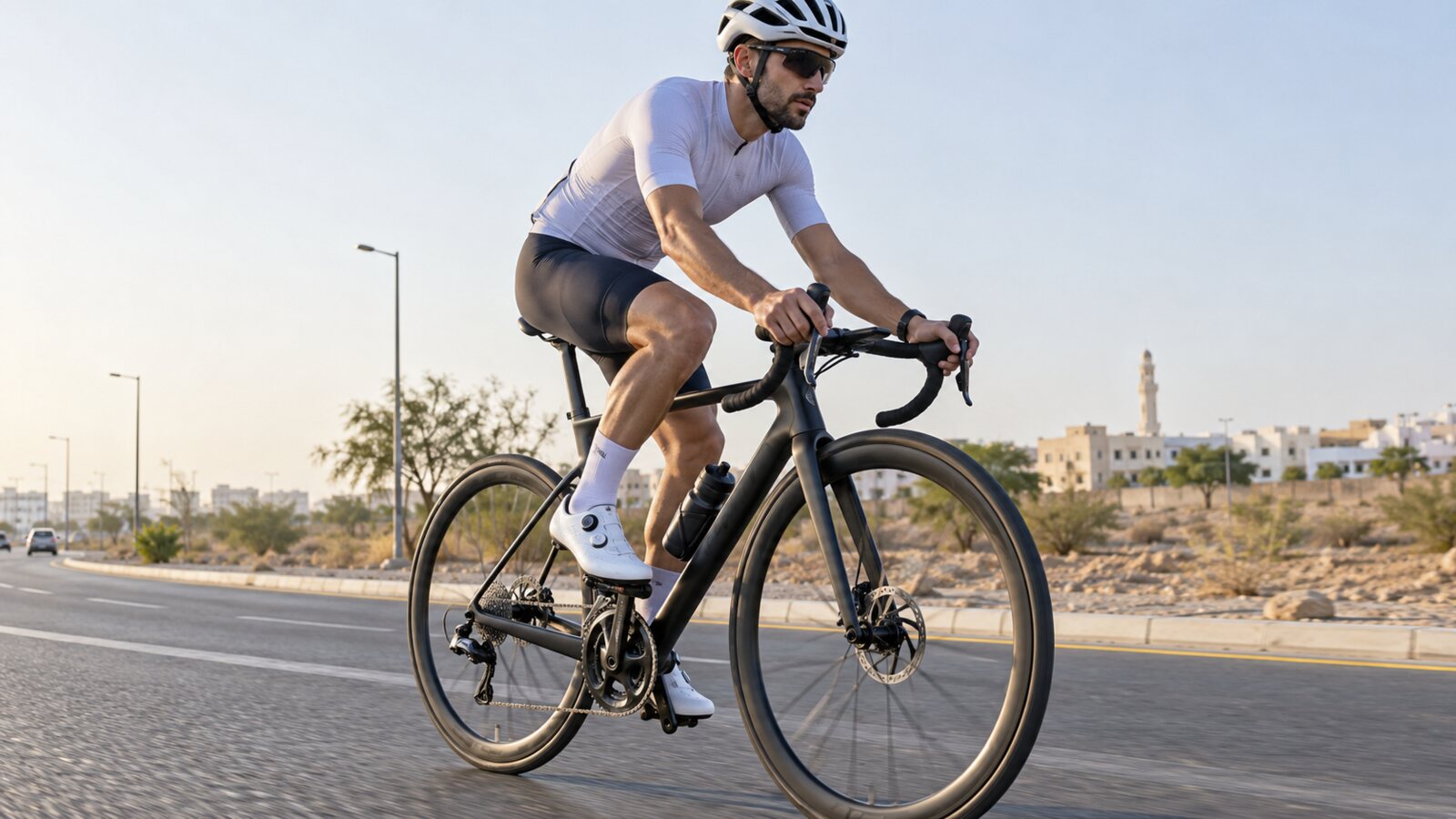
A power meter can turn a ride from “that felt hard” into a clear, repeatable training effort. But does every cyclist need one? If you ride in Oman, where heat, wind and rolling terrain can change how a route feels, power data can be useful—provided you know what to do with it.
What a cycling power meter measures
A power meter estimates the work you produce at the pedals and reports it in watts. Unlike speed, power is not directly changed by a headwind, gradient or road surface. That makes it a consistent way to pace intervals, compare efforts and follow a structured plan. A bike computer or compatible watch displays and records the data; the meter itself does not automatically make a ride more effective.
When a power meter is worth it
You follow a training plan
Power makes interval targets precise. You can aim for a repeatable effort on a climb, a flat road or an indoor trainer, and review whether you held the intended intensity. Riders who train several times a week and want to build endurance, threshold or short high-intensity efforts usually get the clearest value.
You want to pace long rides and climbs
On a long ride, excitement can make the first climbs too hard. A power target gives you a simple ceiling to stay below early, then adjust effort as the ride progresses. It can also help you compare your effort across familiar routes even when wind or temperature changes the speed.
You race, ride with a club or track progress
For racing and fast group rides, power helps you understand surges, repeated accelerations and recovery between efforts. Over time, consistent tests and workouts can show how your fitness is changing. Use comparable conditions and the same testing method; a single ride is not a verdict on your progress.
When you may not need one yet
If you ride mainly for enjoyment, fitness or social time and do not plan workouts around the data, a power meter may add cost and numbers without changing your experience. A heart-rate monitor, perceived effort and a regular riding routine can be enough. Heart rate is also useful alongside power because it reflects how your body is responding, though heat, fatigue, hydration and stress can affect it.
Choosing the right type
- Pedal-based: relatively straightforward to move between compatible bikes, but check cleat system, pedal body and crank clearance.
- Crank or crank-arm based: often a tidy, durable setup; confirm crank model, length, frame clearance and whether the reading is single- or dual-sided.
- Spider or chainring based: can measure both legs together or separately depending on the model, but may require more care with drivetrain compatibility and installation.
A single-sided unit measures one leg and estimates total power, which is often a practical starting point. Dual-sided measurement records each leg separately and adds detail, but is not automatically necessary for better training. Compare accuracy claims, battery type, weather protection, service support and the cost of compatible replacement parts.
Check compatibility before buying
Confirm that the meter can connect to your bike computer or training app, usually over ANT+ and/or Bluetooth. Check that your display supports power and cadence fields, and that its battery and recording settings suit your rides. Verify the exact crank, pedal or chainring fit on your bicycle; similar product names do not guarantee compatibility. Follow the manufacturer’s installation, zero-offset or calibration instructions.
Using a power meter in Oman
Heat and strong sun can make a familiar ride feel harder, while coastal wind and climbs can distort speed-based comparisons. Power helps keep the effort itself in view. Start outdoor rides conservatively in hot conditions, plan water and shade stops, and pay attention to symptoms such as dizziness, confusion or unusual weakness. Do not chase a target number when conditions or how you feel make it unsafe.
For useful data, keep your setup consistent: record with the same meter when possible, check that it is awake and paired, and complete any recommended calibration before the ride. Indoors and outdoors can feel different even at the same power, so interpret each setting on its own.
A simple way to get started
- Pair the meter with your bike computer or app and record a few normal rides.
- Learn how cadence and power appear on your screen without staring at it while riding.
- If you use zones, establish a baseline using a suitable protocol or a qualified coach’s guidance.
- Choose one or two purposeful workouts each week and review the data afterward.
- Keep easy rides easy, and use perceived effort and heart rate as context.
Are cycling power meters worth it?
For a cyclist in Oman who follows structured training, races or wants more repeatable pacing, a power meter can be a worthwhile tool. For casual riding, it is optional. The best choice is the least complicated compatible system that supports how you actually ride. Compare current bike computers and cycling accessories at Atlas Tech Sport, and check product pages or contact the team for current availability and compatibility help.
Frequently asked questions
Will a power meter make me faster?
Not by itself. It provides feedback; progress comes from a suitable training plan, recovery and consistency.
Do I need a bike computer?
You need a compatible display or app to see and record data. A dedicated bike computer is convenient outdoors, but check sensor and app compatibility before purchase.
Is single-sided power enough?
For many riders, yes. It gives a practical overall estimate for pacing and workouts. Dual-sided data can add detail, but decide whether you will use that information.
Should I train only by watts in hot weather?
No. Use power alongside perceived effort, heart rate and the conditions. Reduce effort or stop if you feel unwell; a target is never more important than safe riding.