


What Size Sports Watch Should You Buy? A Practical Guide for Oman

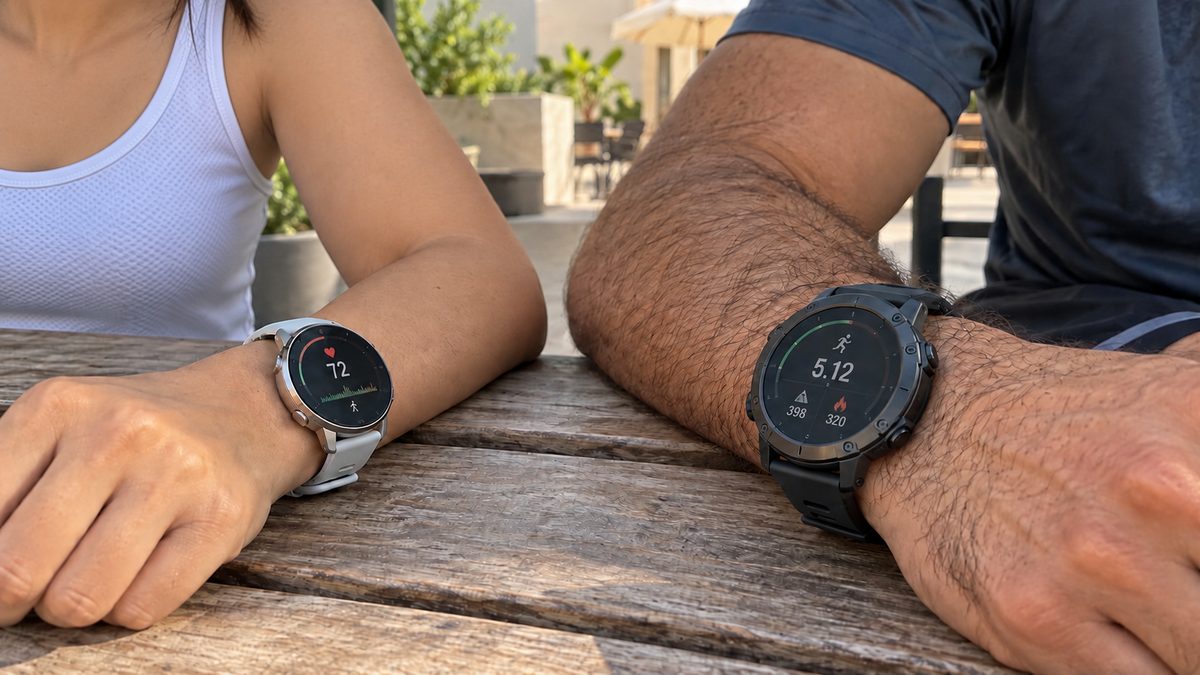
Choosing a sports watch is not only about features. Case diameter, thickness, weight, lug shape and strap fit determine whether a watch feels comfortable during running, cycling, hiking, sleep tracking and daily wear. This practical sports watch size guide for Oman explains how to compare 41 mm, 43 mm, 45 mm, 47 mm and larger watches before buying.
Why Sports Watch Size Matters
A watch that is too large can move during exercise, interfere with wrist movement and produce inconsistent sensor contact. A watch that is too small may feel comfortable but provide less screen area for maps and workout data. The best size balances comfort, readability and the features you actually need.
For customers in Muscat and across Oman, comfort is especially important during hot-weather training. A secure fit helps the optical sensor maintain skin contact, while a ventilated strap and sensible case weight can reduce irritation caused by heat and sweat.
Case Diameter Is Only the Starting Point
Manufacturers usually describe watch size by case diameter, but two watches with the same stated diameter can fit very differently.
Case diameter
Diameter gives a useful first comparison. Smaller sports watches are often around 40–43 mm, medium models around 44–46 mm, and larger outdoor watches around 47–51 mm. These groups are approximate rather than universal.
Lug-to-lug length
The lugs are the parts that connect the case to the strap. A long lug-to-lug measurement can make a watch extend beyond the edges of a narrow wrist even when the case diameter sounds suitable.
Thickness and weight
Thickness affects how high the watch sits above the wrist. Weight becomes noticeable during long runs, sleep tracking and all-day use. A lighter case can feel smaller than another watch with similar dimensions.
Strap width and flexibility
A flexible strap can wrap closely around a slim wrist, while a stiff or wide strap may require more wrist circumference. Always check the supported wrist range rather than relying only on case size.
Measure Your Wrist Before Choosing
Use a soft measuring tape around the wrist where you normally wear a watch. Keep it comfortably snug without pulling it tight. If you do not have a measuring tape, wrap a strip of paper around the wrist, mark the overlap and measure the strip with a ruler.
Wrist circumference is helpful, but wrist shape also matters. A flatter wrist may support a larger case more comfortably than a round wrist with the same circumference.
Practical Size Guide by Wrist Type
For slimmer wrists
Cases around 40–43 mm are usually the safest starting point. They tend to stay centred, feel lighter during sleep and reduce the chance of the lugs extending beyond the wrist. A 41 mm or 42 mm option can still provide a clear display while remaining discreet for daily wear.
For medium wrists
Many users find 43–46 mm watches comfortable. This range often provides a useful balance between screen area, battery capacity and weight. Compare the exact lug shape and thickness because the fit can vary considerably between models.
For broader wrists
Cases around 46–49 mm can look proportionate and provide more display space for maps, data fields and navigation. Larger models may also house bigger batteries, although actual endurance depends on the device and settings.
For maximum display and endurance
Watches around 50–51 mm are designed for users who prioritise a large screen, physical durability or extended battery capacity. They may suit wide wrists and long outdoor activities, but should be tried carefully if you intend to wear the watch during sleep.
41 mm vs 45 mm: What Changes?
A 41 mm watch usually feels lighter and less intrusive. It can be a strong choice for smaller wrists, everyday wear and overnight tracking. A 45 mm watch generally offers more screen area and may make maps and multi-field workout screens easier to read.
The larger option is not automatically better. If a watch shifts during running or requires excessive strap tension, the smaller case may deliver a more stable fit.
43 mm vs 47 mm for Outdoor Use
A 43 mm model can be more comfortable for running and continuous wear. A 47 mm model may offer a larger display, bigger controls and more space for battery capacity. Hikers and cyclists who frequently use navigation may prefer the larger view, while runners who value low weight may prefer the smaller case.
Fit and Optical Heart-Rate Accuracy
Optical heart-rate sensors work best when the watch sits securely against the skin. Wear it slightly above the wrist bone and tighten the strap enough to prevent movement without restricting circulation. During normal daily use, you can loosen it slightly for comfort.
A larger watch is not necessarily more accurate. Stable placement, clean sensors, correct strap tension and individual physiology all affect readings.
Display Size, Maps and Readability
A larger case often allows a larger display, which can help when viewing navigation prompts, elevation profiles or several workout metrics. However, screen technology, resolution, brightness and interface design also affect readability.
When comparing a GPS watch in Muscat, consider direct-sunlight visibility as well as indoor appearance. A bright showroom does not reproduce every outdoor condition in Oman.
Comfort in Oman’s Climate
Heat and perspiration can make a heavy or tightly fitted watch uncomfortable. For regular outdoor training:
- Choose a strap with sufficient adjustment and ventilation.
- Rinse or wipe away sweat according to the manufacturer’s instructions.
- Dry the watch and skin before prolonged wear.
- Avoid overtightening the strap throughout the day.
- Do not leave the watch inside a parked vehicle.
- Allow a hot device to cool before charging.
How to Compare Garmin and COROS Watch Sizes
Garmin and COROS offer sports watches in multiple case sizes, but the model name alone does not describe the full fit. Compare the official case dimensions, weight, thickness, strap range and display size for each exact version.
Visit the Garmin collection and COROS collection at Atlas Tech Sport to compare available models. Product availability should always be confirmed on the individual product page.
A Simple In-Store Fit Test
- Centre the watch above the wrist bone.
- Check whether the lugs remain within the wrist edges.
- Move the wrist through a full range of motion.
- Confirm that buttons and the crown do not press uncomfortably into the hand.
- Test the strap one hole tighter and looser.
- View workout data and maps at a natural arm distance.
- Consider whether you would sleep comfortably while wearing it.
Final Buying Checklist
- Wrist circumference and shape
- Case diameter and lug-to-lug length
- Case thickness and total weight
- Strap adjustment range
- Display size and sunlight visibility
- Comfort during running and sleep
- Button access and wrist movement
- GPS battery life in the mode you will use
- Local warranty and support in Oman
The right sports watch should feel secure without dominating your wrist. Start with your wrist measurement, then compare complete dimensions and try the watch in a realistic position. Comfort, stability and readability are more important than choosing the largest case.
Frequently Asked Questions
Is a 47 mm sports watch too large for a small wrist?
It may be, but wrist shape, lug design, thickness and strap flexibility all influence fit. Check whether the lugs stay within the wrist and whether the watch remains stable without excessive tightness.
Are smaller sports watches less capable?
Not necessarily. Some smaller versions offer many of the same training and navigation features as larger models. Differences may include display size, battery capacity and weight.
What is the best sports watch size for running?
The best running size is one that stays stable, feels light and remains easy to read. Many runners prefer smaller or medium cases, but the correct choice depends on wrist shape and personal comfort.
Should I size up for maps?
A larger display can make maps easier to read, especially while moving. Also compare resolution, brightness, controls and map design before deciding.
Where can I compare sports watch sizes in Muscat?
Atlas Tech Sport provides sports watches from Garmin, COROS and other performance brands for customers in Muscat and across Oman. Check individual product pages or contact the team for current specifications and availability.